wild camping
Campervan & Motorhome Wild Camping in Scotland: The Rules and Where to Stay
Campervans and motorhomes are not covered by Scotland's right to roam. Here's what the law actually allows, where you can legally stay overnight, and how to do it responsibly.
Some links in this article are affiliate links. If you click through and make a purchase, OutdoorSCOT may earn a commission at no extra cost to you. This never affects what we recommend. Full disclosure.
Quick Summary
- Campervan "wild camping" is not the same right as tent wild camping — the Land Reform (Scotland) Act 2003 right to roam applies to people on foot, not to motor vehicles
- Overnighting in a van is governed by parking law, not access law — what you can do depends on local byelaws, Traffic Regulation Orders, signage and landowner permission
- The responsible options are aires, Certificated Locations, campsites and council overnight parking — a growing network across Scotland, often with a small charge for waste disposal
- The NC500 changed the rules in practice — overtourism pressure means more restrictions, more paid stopovers and a stronger expectation of "park, don't camp"
If you searched "wild camping Scotland motorhome", here's the honest first thing to know: technically, there's no such thing. Wild camping — the kind protected by Scotland's right to roam — means a lightweight tent, carried on foot, pitched on open land. A campervan or motorhome is a motor vehicle, and motor vehicles are explicitly outside the access rights granted by the Land Reform (Scotland) Act 2003.
That doesn't mean you can't tour Scotland in a van and stay in spectacular places overnight. You absolutely can — it's one of the best road-trip countries in Europe. It just means the rules you're operating under are parking rules, not access rules, and confusing the two is how people end up with a ticket, a blocked passing place, or a justifiably annoyed crofter.
Quick Answer: You cannot legally "wild camp" in a campervan or motorhome in Scotland under the right to roam — that statutory right covers access on foot, not motor vehicles. Overnighting in a van is governed by local parking law: it's allowed where there's no byelaw, Traffic Regulation Order or signage prohibiting it, and where you have the landowner's permission to leave the public road. In practice, the responsible options are aires (dedicated motorhome stopovers), Certificated Locations, campsites, and council-run overnight parking — many with a small charge. On the NC500 and in popular Highland spots, overnight parking is increasingly restricted or paid.
Why a van isn't covered by the right to roam
Scotland's access rights are genuinely world-leading — but they were written for non-motorised recreation. The Scottish Outdoor Access Code is explicit: access rights are exercised on foot, by bike, on horseback or by canoe. A vehicle stays on the road network, and the road network is governed by traffic and parking law, not the access legislation.
So the legal picture splits cleanly:
- On foot with a tent → covered by the right to roam (within the responsible limits we cover in our wild camping access guide).
- In a van off the public road → you need the landowner's permission, the same as parking on anyone's private land.
- In a van on the public road → governed by parking law, byelaws and signage.
This is the single most misunderstood point in Scottish van touring, and it's why "campervan wild camping" guides that tell you to "just pull up anywhere" are wrong.
Where you can legally stay overnight
Aires (motorhome stopovers)
Scotland has a growing network of aires — dedicated motorhome stopover sites, often run by communities, farms or small businesses, modelled on the French aire system. They typically offer a level pitch, fresh water, grey-water and chemical-toilet disposal, and sometimes electric hook-up, for a modest overnight fee. They're the single best answer to "where can I park my motorhome overnight in Scotland" because they're legal, sustainable, and put money into the local economy.
Certificated Locations and small sites
The Caravan and Motorhome Club (CAMC) and the Camping and Caravanning Club run networks of small, low-density sites — Certificated Locations (CLs) and Certificated Sites (CSs) — usually on farms, limited to five vans. They're cheap, quiet, and scattered across rural Scotland. Membership is required but pays for itself quickly on a longer trip.
Campsites
The obvious one, and still the most flexible: full facilities, no legal grey area, and a base from which to walk, swim or cycle. In peak season (and on the NC500) booking ahead is essential.
Council and community overnight parking
A number of Scottish local authorities and community trusts now provide designated overnight parking for motorhomes, sometimes with waste facilities, usually with a small charge paid by app or honesty box. These schemes exist precisely because informal roadside overnighting became unsustainable. Use them — they're the difference between motorhome tourism being welcomed or banned.
Private land with permission
You can stay on private land — a farm, an estate, a croft — if the landowner says yes. A polite ask often gets a yes, sometimes for a few pounds. This is the closest thing to a genuine "wild" van night, and it's entirely legal because it's by permission.
The NC500 reality
The North Coast 500 transformed van touring in the north Highlands — and not without cost. The honest version: a single-track road network built for crofting traffic suddenly carried tens of thousands of motorhomes, and informal roadside overnighting overwhelmed laybys, passing places and beauty spots. The result has been more overnight parking charges, more "no overnight parking" signage, and a much stronger local expectation that visitors use proper facilities.
If you're driving the NC500, plan your overnights around aires, campsites and designated parking rather than assuming you'll find a free spot with a view. Our NC500 wild camping and bothies guide covers the route's overnight options in more detail. Treat the single-track roads with care: passing places are for passing and giving way, never for parking.
Doing it responsibly — the van version of Leave No Trace
| Do | Don't |
|---|---|
| Use proper grey-water and chemical-toilet disposal points | Tip waste water or empty toilets into drains, burns or the ground |
| Park on hardstanding or designated spots | Drive off-road onto verges, machair or beaches |
| Keep passing places and gateways clear at all times | Block single-track passing places, even briefly, overnight |
| Pay the aire / honesty box / parking charge | Assume "wild" means free |
| Take all rubbish away; use a stove, not open fires | Light campfires or BBQs on dry ground or peat |
| Arrive late, leave early, keep a low profile | Set up an awning-and-chairs camp in a public car park |
Essential van-touring considerations for Scotland
- Single-track roads. Much of the western and northern Highlands is single-track with passing places. Learn the etiquette before you go: pull in to let faster traffic and oncoming vehicles pass, and never park in a passing place.
- Midges. From late May to September the west coast and Highlands have midges, and a van is no escape if you want the door open. See how to avoid midges in Scotland for timing and site choice.
- Facilities planning. Know where your next water fill and waste disposal is. Apps and community aire directories make this straightforward.
- Weather and exposure. A high-sided van in a Highland gale on an exposed headland is no fun. Pick sheltered overnight spots in bad weather.
📬 One email a week. Route guides, seasonal conditions and honest advice for getting outdoors in Scotland — including touring it slowly.
Kit for the Scottish reality
Van or not, two things catch people out here: the midges, and cooking in the wind at a pull-in. Both have a cheap fix.

Smidge midge repellent
~£11
The west-coast van-life essential — IR3535, 8-hour protection. A still evening at a lochside pull-in is peak midge territory.
Check price at Amazon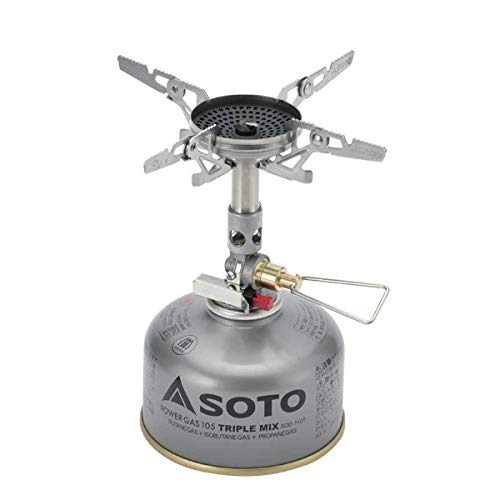
Soto WindMaster stove
~£75
For cooking outside the van or under the awning — holds a flame in the wind where a cheap burner won't.
Check price at AmazonFrequently Asked Questions
Can you wild camp in a campervan in Scotland?
Not under the right to roam. The Land Reform (Scotland) Act 2003 access right applies to non-motorised recreation — on foot, by bike, on horseback or by canoe — not to motor vehicles. Overnighting in a campervan or motorhome is governed by parking law and landowner permission instead. You can stay overnight legally at aires, Certificated Locations, campsites, council overnight parking, and on private land with the owner's consent.
Is it illegal to sleep in your van overnight in Scotland?
Sleeping in your van is not in itself illegal. The issue is where: on the public road it's allowed only where no byelaw, Traffic Regulation Order or signage prohibits it; off the public road you need the landowner's permission. Pulling into a layby to rest if you're too tired to drive safely is widely accepted; setting up camp there for the night is not.
Where can I park my motorhome overnight for free in Scotland?
Genuinely free, legal overnight spots are increasingly rare, especially on the NC500 and in popular areas where charges and restrictions have been introduced to manage overtourism. The reliable options — aires, Certificated Locations, campsites and council parking — usually carry a small fee, mostly to cover waste facilities. Private land with the owner's permission is the closest thing to a free wild night, and it's legal because it's by consent.
What's the difference between wild camping and campervan touring in Scotland?
Wild camping is lightweight tent camping carried on foot, protected by Scotland's statutory access rights. Campervan touring is road travel in a motor vehicle, governed by parking and traffic law. The two are often lumped together as "wild camping" online, but legally they are completely separate — which is why the rules, and the responsible-use expectations, are different.
Do I need permission to park a campervan on private land in Scotland?
Yes. Unlike tent wild camping on open land, taking a vehicle off the public road onto private land always requires the landowner's permission. A polite ask often gets a yes, sometimes for a small fee — and it's the most reliable way to enjoy a quiet, legal night somewhere scenic.
Related Articles
- Wild Camping in Scotland: What the Access Code Actually Means — the legal framework for tent wild camping
- NC500 Wild Camping & Bothies Guide — overnight options on Scotland's famous road trip
- How to Avoid Midges in Scotland — timing and site selection
- Wild Camping in Scotland — the full hub: spots, access, permits and regions
This article is for general information only and does not constitute legal advice. Parking byelaws, Traffic Regulation Orders and local restrictions change and vary by area — always check current local signage and council guidance before parking overnight. OutdoorSCOT is not liable for any fines, penalties or incidents arising from the use of this information.
Sources
- Scottish Outdoor Access Code — NatureScot
- Land Reform (Scotland) Act 2003 — legislation.gov.uk
- Responsible motorhome and campervan touring — VisitScotland
- North Coast 500 — plan your trip — NC500
Read next
Wild Camping and Bothies on the NC500: Where, Legally
Wild camping on the NC500 is legal under the Scottish Outdoor Access Code — for tents, not motorhomes. Where to pitch responsibly, 7 bothies on or near the route, and the motorhome distinction that catches visitors out.
BlogWhat is the NC500? Scotland's North Coast 500, Honestly Explained
The North Coast 500 is a 516-mile (830 km) signposted scenic driving route around Scotland's north Highland coast, starting and finishing at Inverness Castle. Launched in 2015.
Mountain BikingBikepacking Scotland: 5 Best Routes for First-Timers
Five weekend bikepacking routes graded by difficulty — distance, surface, wild camping spots and the gear compromises that matter.